

Team Sign In
Ngvla full logo Ngvla logo
  • About
  • Science
  • Technology
  • Community
  • News
  • Broader Impacts
  • Events
  • Documents
  • Multimedia
  • Team
  • Timeline
  • FAQs
  • Infographic
  • For the Public
  • Contact
  • Community Studies Program
  • Science Use Cases
  • Science Book
  • Tools
  • Astro2020
  • Science Showcase
  • Performance Estimates
  • Array Configuration
  • Reference Design
  • Enabling Technologies
  • Talks
  • Science Advisory Council
  • Technical Advisory Council
  • Science Working Groups
  • SKA
  • ngVLA-Japan
  • 2020 Summer Talks
  • 2021 Summer Talks
  • Memo Series
  • White Papers
  • Project Design
  • Logos
  • Close
  • About
  • Team
  • Timeline
  • FAQs
  • Infographic
  • For the Public
  • Contact
  • Science
  • Community Studies Program
  • Science Use Cases
  • Science Book
  • Tools
  • Astro2020
  • Science Showcase
  • Technology
  • Performance Estimates
  • Array Configuration
  • Reference Design
  • Enabling Technologies
  • Talks
  • Community
  • Science Advisory Council
  • Technical Advisory Council
  • Science Working Groups
  • SKA
  • ngVLA-Japan
  • News
  • Broader Impacts
  • Events
  • 2020 Summer Talks
  • 2021 Summer Talks
  • Documents
  • Memo Series
  • White Papers
  • Project Design
  • Logos
  • Multimedia

Multimedia


Latest Image

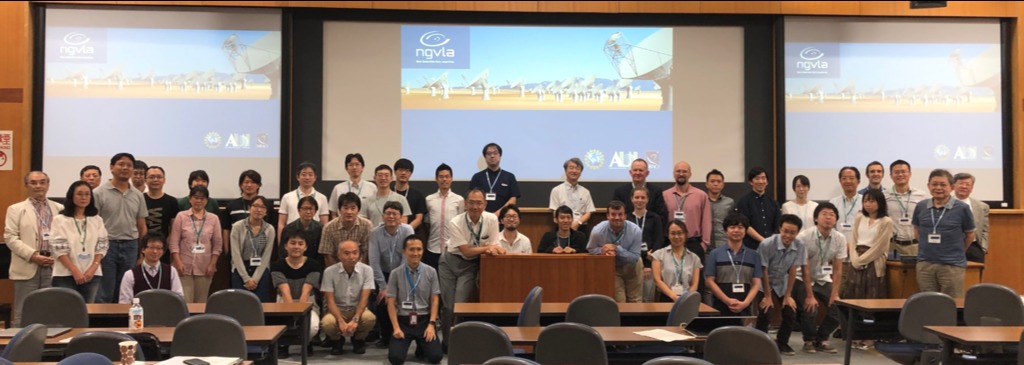
Picture1

2019 NAOJ-ngVLA Science Conference

Photograph • September 19th, 2019

Conference picture at the 2019 NAOJ-ngVLA Science Conference, which was the first international ngVLA Science Meeting.

More Images

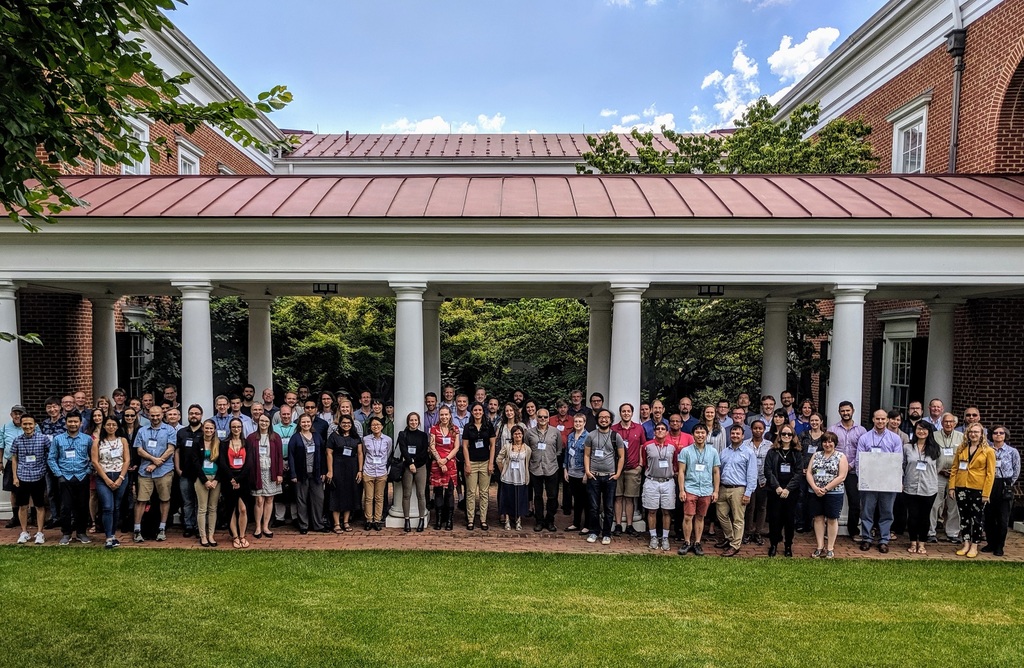
5321fe5d24cd4e8080c78e9f0c229f7b
Attendees at the Radio/MM Astrophysical Frontiers Conference

Photograph
July 11th, 2019

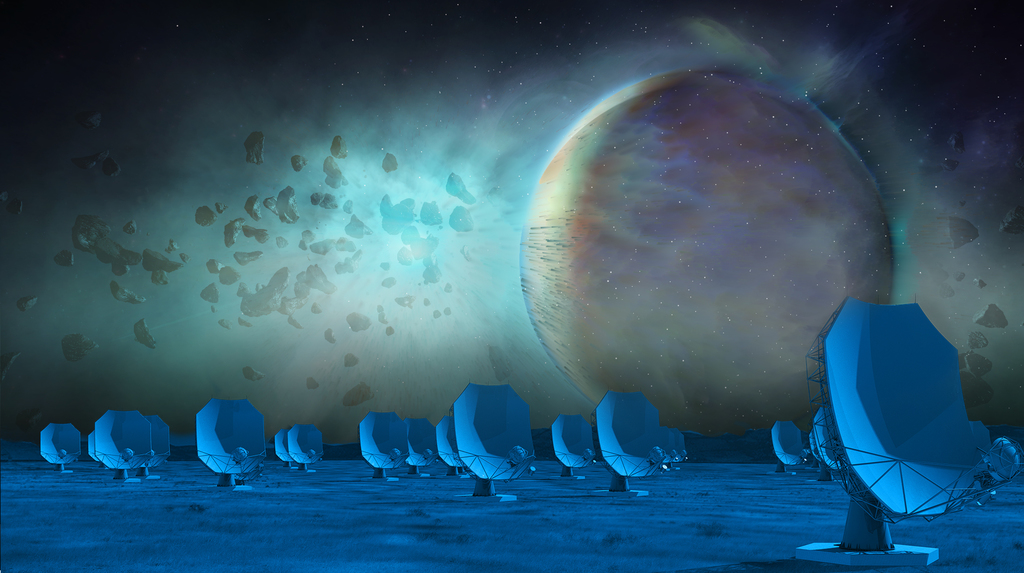
Ksg1 v2 antennas 092021
ngVLA Key Science Goal 1: Planet Formation Illustration_002


September 10th, 2019

Ksg3 antennas 092021
ngVLA Key Science Goal 3: Galaxy Evolution_001


September 10th, 2019

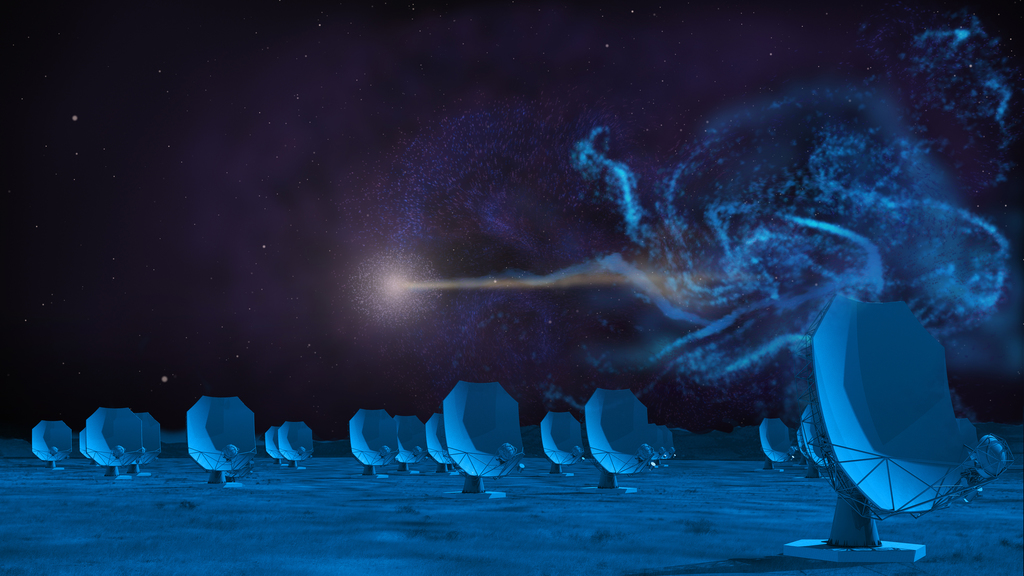
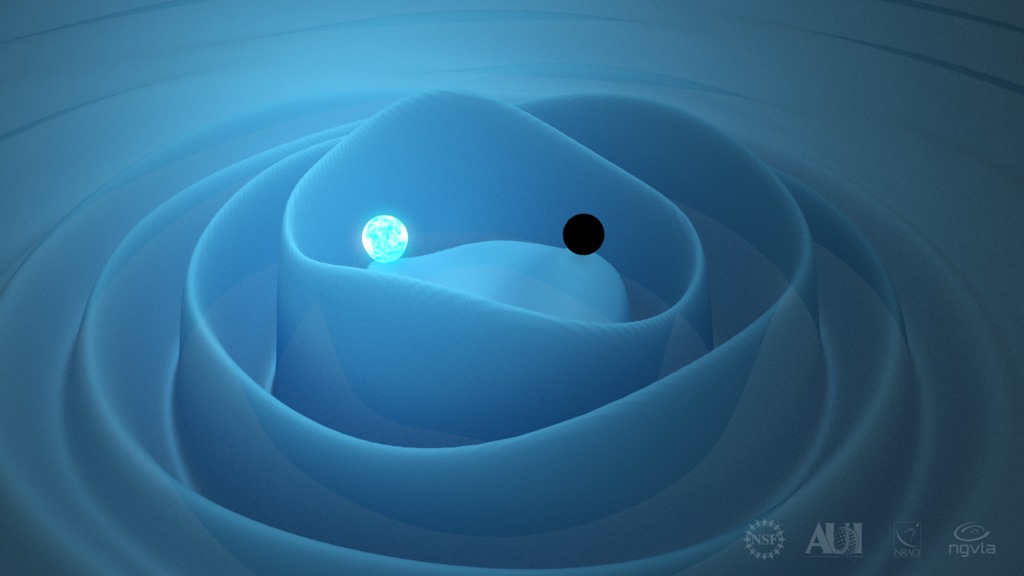
Ksg5 ngvla blackholes 003
ngVLA Key Science Goal 5: Understanding Black Holes_003


September 10th, 2019

All Images

Latest Video

Hqdefault

Jonathan Tan, Open Questions in Massive Star and Cluster Formation, June 24, 2021

Science Video •

Massive stars are powerful engines for driving the physical and chemical evolution of galaxies, while star clusters are the birth environments of most stars, including massive ones. It is thus important to study the origin of massive stars and clusters together as an integrated process. I briefly overview the many open questions that remain outstanding in this research field and highlight areas where ngVLA will be able to make important contributions.

More Videos

Hqdefault
Susanne Aalto, Thick As Thieves! – What Is Hiding Inside the Most Compact and Obscured Galaxy Nuclei? July 8, 2021

Science Video

Hqdefault
Alex Tetarenko, Unraveling How Black Holes Power Explosive Outflows With the Time-Domain, August 19, 2021

Science Video

All Videos
  • Contact Us
  • Privacy Policy
  • NRAO Policies
Nrao
Nsf
Aui

The Next Generation Very Large Array (ngVLA) is a development project of the National Radio Astronomy Observatory (NRAO). NRAO is a facility of the National Science Foundation (NSF) operated under cooperative agreement by Associated Universities, Inc. This material is based upon work supported by the NSF under Grant No. AST-1519126. Any opinions, findings, and conclusions or recommendations expressed in the materials are those of the author(s) and do not necessarily reflect the views of the National Science Foundation.